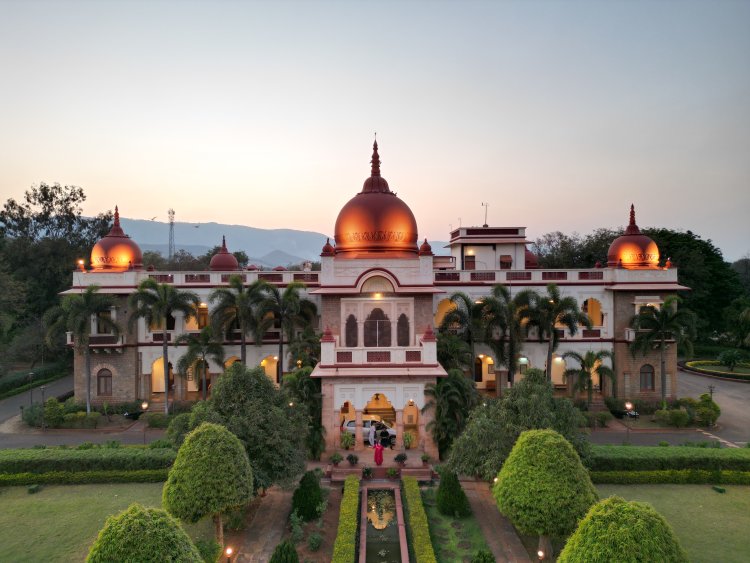
Where to stay in Hampi ?. Consider Shiva Vilas Palace !
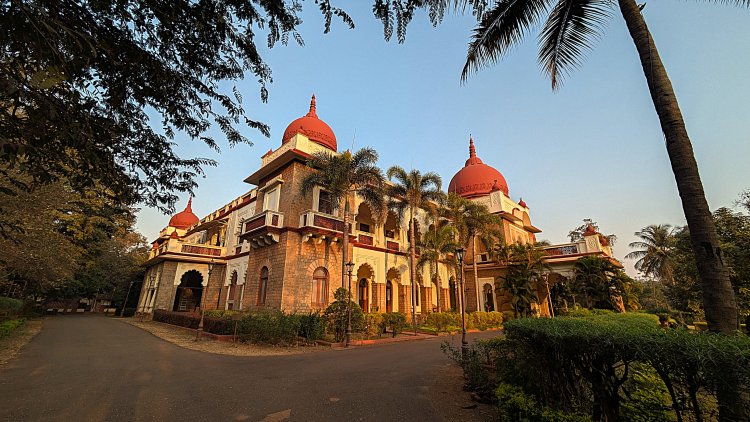
Staying in comfort and relishing local food of land is a prime concern during travel.When it comes visiting a world heritage site like Hampi. in Karnataka ; India . The choice should be perfect and memorable. Set against the backdrop of world heritage site Hampi, the 81year old palace is the perfect getaway for a traveler visiting heritage site hampi. The overall expereinces here are memories and once in a lifetime experience to cherish !.
Though I have visited heritage site Hampi multiple times, my way of looking at it is different !. When it comes to stay...
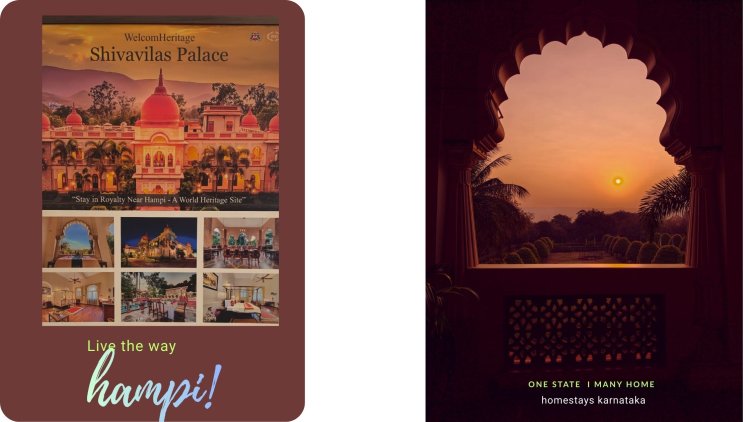
Shiva Vilas Palacewas my first choice in Hampi. My reason is simple, though I have stayed at other places their brand of hospitality perfectly matches my kind of travel. I like to time travel to ancient destinations. A Welcome group Hotel provides a perfect option to stay grounded in that era. You can choose to forget that you are in the 21st CE.
So, here are some of the reasons you should consider staying with them when traveling in Hampi
A Royal Experience
A immacualtely dressed, well manner chauffer pickup, clean upholstery, service as i arrive at hospet, safe travel, hassle free check in, welcome drink. Room allotment and even small things were taken care as expected.
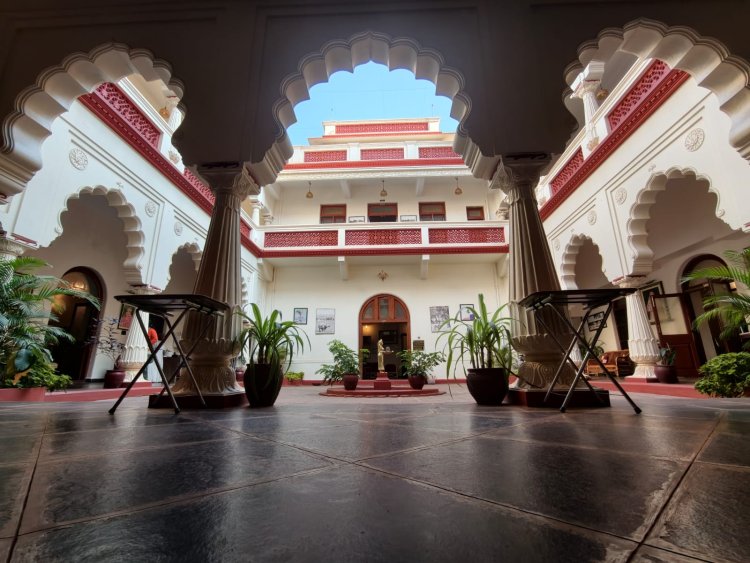
A heritage palace – the primary reason for any tourist to visit the region is best experienced when you live in one of them. It is when you are surrounded by those painted high walls, get to know about lifestyle and antiques, walk on the floors, sit beneath the Palmyra tree or soak in the warmth of the sun in the open courtyard, that your Palace experience is complete.
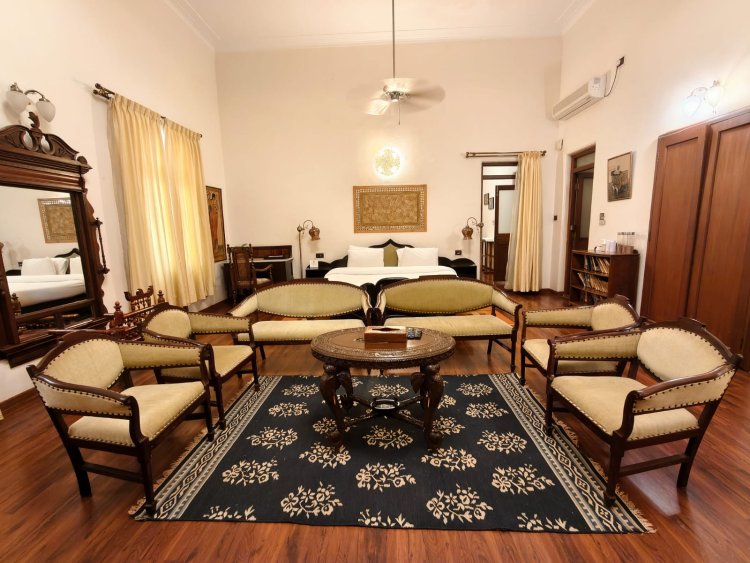
I wished to stay in a spacious room with all amenities.The palace has 10 deluxe rooms, 01 Maharaja suite room and 01 Maharaja suite room.All rooms have access to vestibule.The view of sunrise from here is a memorable experience.
Ghorpade Family
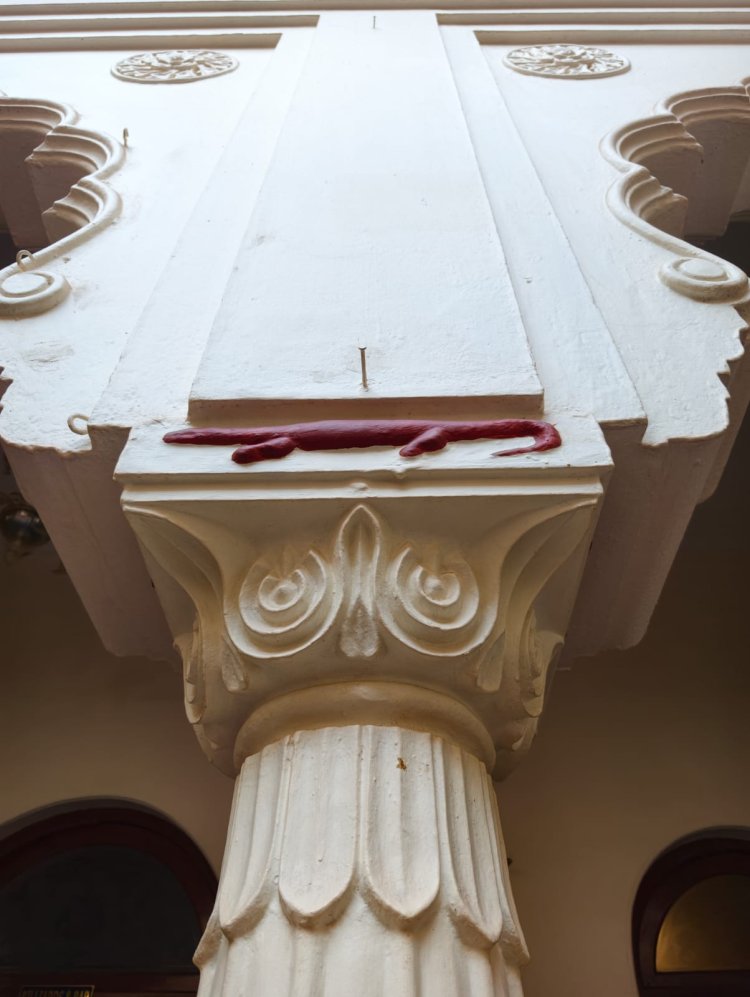
The Bengal Monitor is found across much of India.An animal in many legends - a clanin Maharastra called Ghorpade claims that the name is derived from a legendary founder Tanaji Malusare who supposedly scaled a fort wall using a monitor lizard tied to a rope.
Ghorpad - Monitor Lizard is the Royal insignia of Ghorpade family.One can see the respect and importance that family gives to it.The insignia is etched all over the palace be it pillars of palace, crown, swords and even on the throne.
Welcom Group
Welcom group hotels specialize in restoring and keeping heritage alive through their heritage properties. They have restored many of the properties that they now operate as hotels across the country. They literally take you back in time. There is no cookie-cutter approach, every property is unique and reflects the ethos of the land it belongs to.
Be it a FIT group, Event with a huge gathering, wedding ceremony,everything is spic and span, with top notch facilities.
Food for Soul concept - one state I many home
The food I chose was simple and primarily vegetarian. It is as close to home-cooked food as it can get in a commercial kitchen. The small size of the property allows them to cook what you ask for, instead of a set menu during breakfast and live cooking. The vegetables are locally sourced. Must try is Gajar ka Halwa, Sweet kheer made from rice.The paper-thin Urad Dal Papads with salads add the crunch to the food.
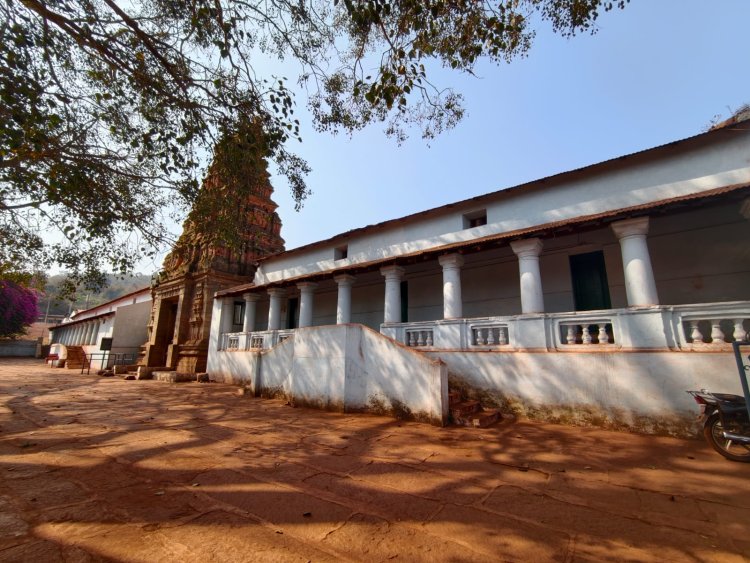
At the lounge, dining spaces, and the palace courtyard in Shiv Vilas, it has shades of antique furniture dating back to around 100 years.A museum within the foyer,Vintage car collection, collection of armoury. It has a curious mix of Indian and colonial architecture.Rooms in different shades ranging from White to Red surround the central courtyard. The property is small and hence cozy.
There are only a few hotels that are available in Hampi, and most of them are in places like the tourist hub of Hampi. I wanted to stay in a quieter location, which still has the feel of a village with a quaint haveli type. Sandur, located about 30 km from hospet, was a perfect location to base myself. I did day trips to Sandur, Hampi and Anegundi. One evening I explored Nari halla and one evening I went to explore the offbeat 7th century temples. Hampi Beyond Temples & Monuments
If you are a first timer, keen on exploring Hampi we have tailored made Itineraries with language experts, hassle free entries and take you through the walking trails.
Sandur Sightseeing
Kumaraswamy Temple
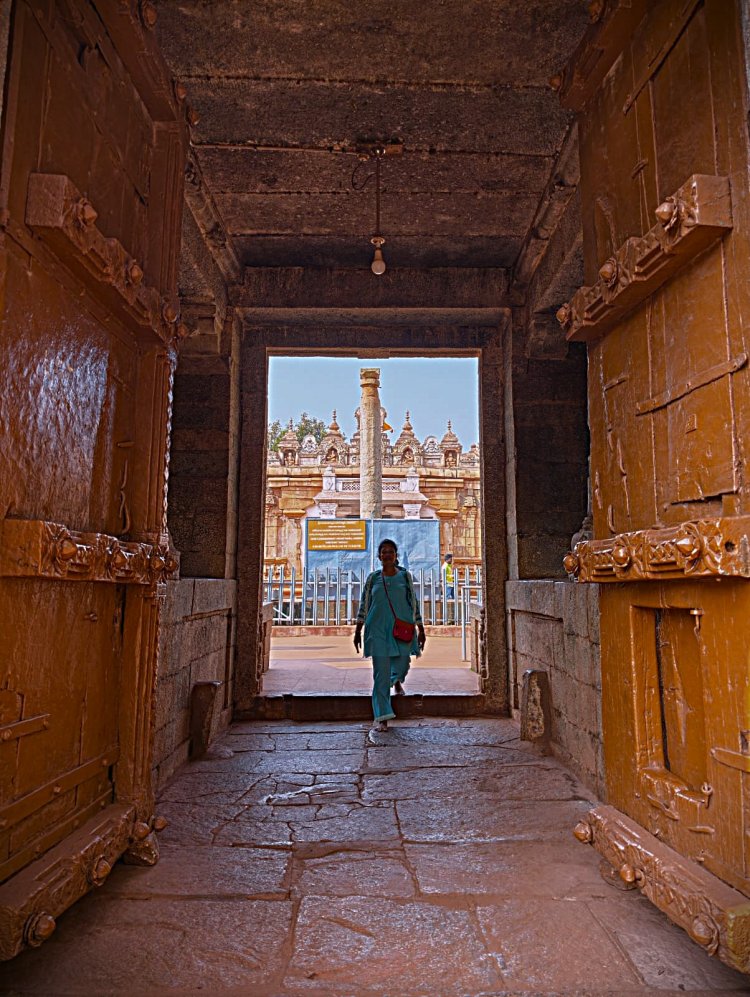
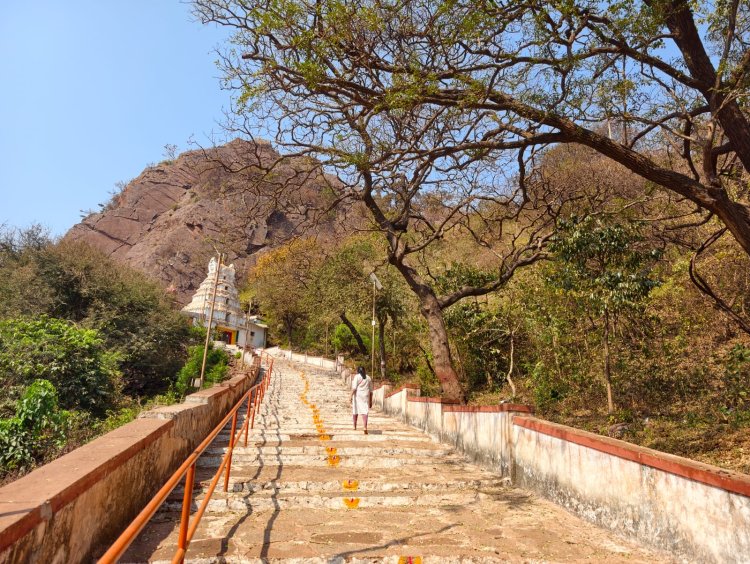
Just a 10 km drive from Sandur, through roads coated with reddish brown soil from the nearby mines, is the temple complex popularly known as the Sandur Kumaraswamy Temple. Located on a hill called Krauncha Giri, the temple complex consists of two large temples dedicated to the goddess Parvathi and her son Kumaraswamy. There’s a smaller, sunken shrine dedicated to the god Shiva.
A bit of history and legends
The more simple temple dedicated to Kumaraswamy was built by the Rashtrakutas in the 8th – 10th century. It consists of a garbhagriha, a short antarala and a mantapa. It looks like structural additions have been made to the temple over time. The legends and mythology associated with the temple overshadow the architecture. There are claims that this is the first temple dedicated to Lord Subrahmanya in South India and this claim is backed by the mythological tale wherein Subramanya loses the race around the universe to his brother Ganesha and hence leaves their mountain abode of Kailasa. He makes this hill his home and hence his first abode in south India.
Subramanya’s mother Parvathi devi escorts him and then sets off to find him a bride. When she comes back and tells him that she has found a girl just like herself for him,
Subramanya refuses to marry her as he would always see his mother in her. Subramanya takes it a step forward and refuses to ever get married thereby taking the vow of celibacy being a bachelor and the name Kumaraswamy. This tale was used for centuries to stop women from entering the Kumaraswamy temple.
Temple of Parvathi
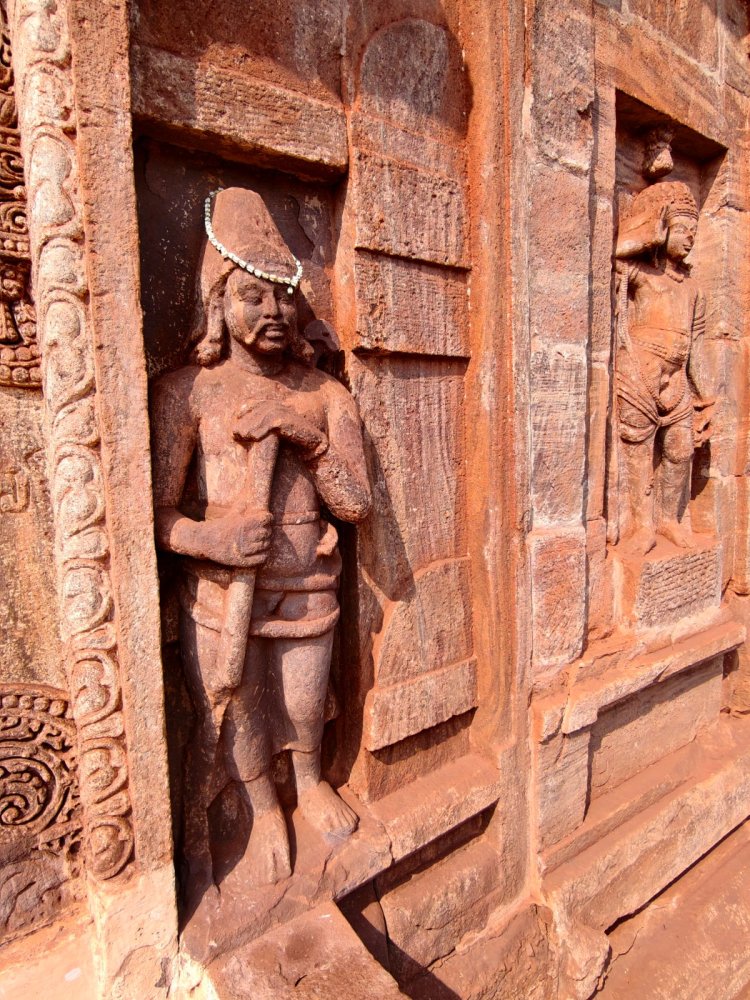
For those interested in architecture, it is the Parvathi temple that is more interesting. It is said to be built by the Badami Chalukyas in the 7th – 8th century, the temple is quite simple in structure with just a garbhagriha and an antarala. A unique vimana sits atop the garbhagriha and a sukanasa atop the antarala. Dwarapalakas on either side of the entrance to the antarala are detailed and noteworthy.
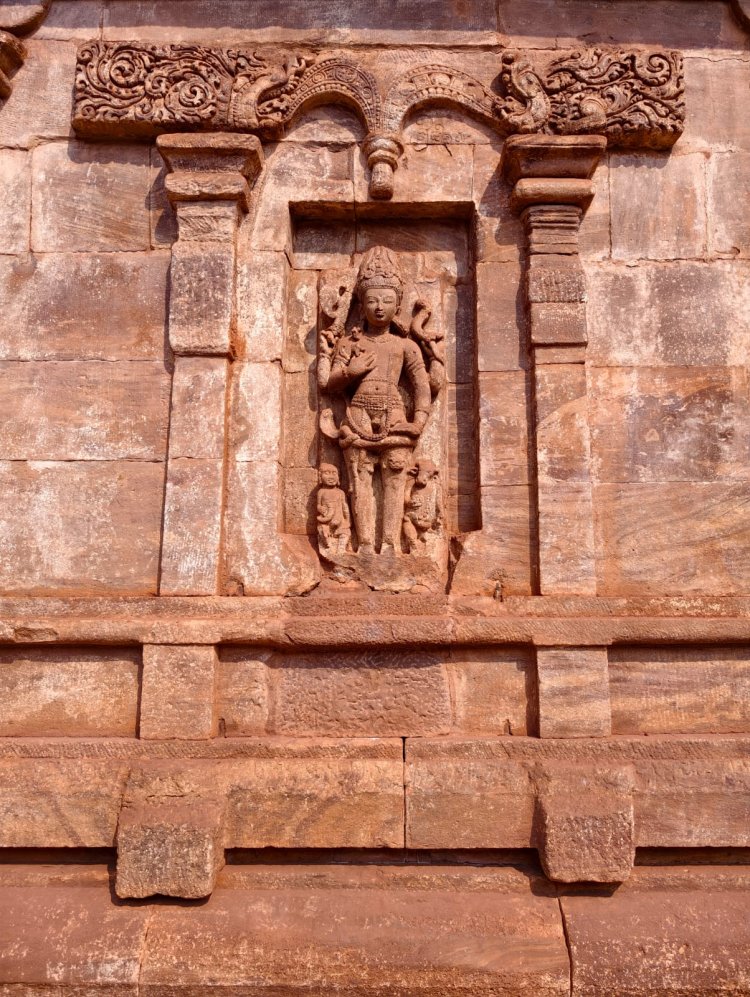
The outer walls lack any detailed ornamentation although there are five niches to place statues out of which two are empty.
The other four contain delicately carved figures that seem like forms of Shiva but I couldn’t identify them exactly.
The interiors are quite dark owing to the lack of any windows or slits making it difficult to see any intricate details. There are six large niches in the antrala, three on each side, which currently house statues.
Among them, the most interesting is that of the god of death, Yama, standing in full glory on the head of his vahana, the buffalo.
Harihara Temple
Closeby their is a small temple with a water tank known as Nandi theertha where a perenniel sweet spring quench the thirst of visitors.It is said to be swayambhu and is said to be created by Jagatguru Shankarahcarya during his travails.In the santum we can see Lord in Linga form with three horizontal lines across the forehead is called Tripundra. Used by Shaivite Hindus to honor Lord Shiva, this mark signifies the destruction of ego, purification of the soul, and connection to higher consciousness.
Vaishnvaite followers vertical counterpart followers of Vishnu to represent his feet, is called Urdhva Pundra or Naama
Because of narrow road, movement of mine vehicles, the path is dusty and traffic.It is difficult to spot the temple in the yonder.
I generously splashed water on my face, scooped water with both hands and gulped down enough to quench my thirst.It was an instant refresher and rejuvenating to say the least. Bidding adieu to the pristine place reluctantly amidst the iron ore laden dusty trucks. The reddish leaves and painted branches reminded me about the impending doom and threat due to the constant mining in the hills Gandi Narasimha Swamy Temple. Perched on a hillock in the lap of Swamimalai hills is one of the 800 + Narasimhar temples in India.It is said that in ancient times, Sage Agastya had done tapas in this Gandi Kshetra. A big fire / heat was noticed which scared all living in the area, animals and Agasthya Rishi’s disciples. Everyone approached the Sage to solve the problem. The sage by his divine power (Gnana drishti) came to this cave in the hillock.
There was bright light and heat in the cave and no one could go inside. Sage Agastya goes inside , offers prayers to Lord Narasimha. Pleased by his devotion, Lord Narasimha gives darshan to him. For the benefit of the devotees, the sage requests the Lord to appear in Santha swaroopam (peaceful appearance) instead of Ugra swaroopam.Lord Narasimha was in a dilemma. Devas pray to be in Ugra swaroopam – sage requests Santha swaroopam. To satisfy both, Lord said that He will reside in Ugra roopam beneath the pedestal and appear to devotees in Santha swaroopam in the form of a Crown (Kireetam).
Hence in Gandi Kshetram we can see the crown with Narasimha face instead of the customary idol.Ganga devi wanted to have dashan of the Lord here – but she could not come up because of the hill cliff. Pleased with her prayers, Lord Narasimha says to give some offering to Him. Gangadevi offers to come there in the form of a small Rivulet instead of her full fury.She comes in 2 parts of the rivulet. Sage Agasthya named her as Manasa Sarovar – since Gangadevi had done pooja with her heart / mind. One can see the river streams from the temple.Lord also directed Laksmi idol to be installed- to retrieve the same from a small well nearby – which is installed in the cave temple.. The highlights of cave temple are :
1) Lord Narasimha is in Ugra swaroopam form (beneath the pedestal) as well as Shanta swaroopa form (Crown) 2) Sage Agasthya had done penance here 3) Divine Ganga river is present in rivulet form. So this kshetra is very divine.
This is an ancient cave temple situated on the edge of a hill. One has to climb a set of stairs to reach the temple. The ancient cave temple has a pradakshina (circular) path accessible through a flight of steps which is easy to climb.
Note - Beware of Rhesus monkeys here,Take care of your belongings.
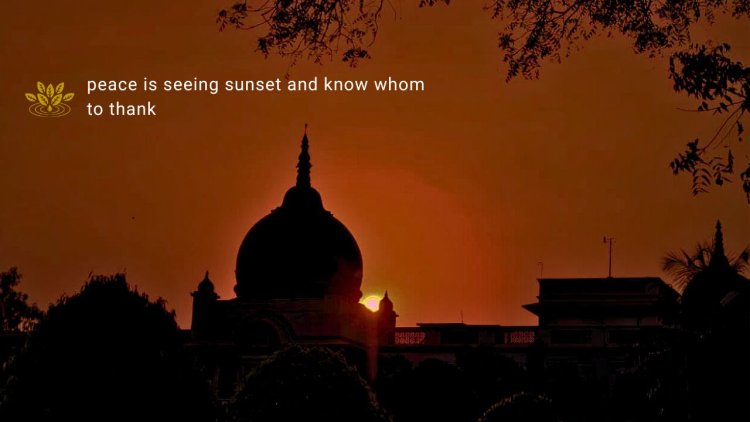
Mornings were meant for watching sunrise, cycling, leisure walk in the sprawling 22 acre green enclosure, swimming, steam bath, gym, playing outdoor games, admire the colours of evening sky, and a bit owling after dark !
I simply loved sitting in their sit out beneath the Palash tree . This was my last day of a 3 - day long trip and it was the best way to relax. Opposite to the foyer, the peacocks were foraging on food leisurely, fearless !
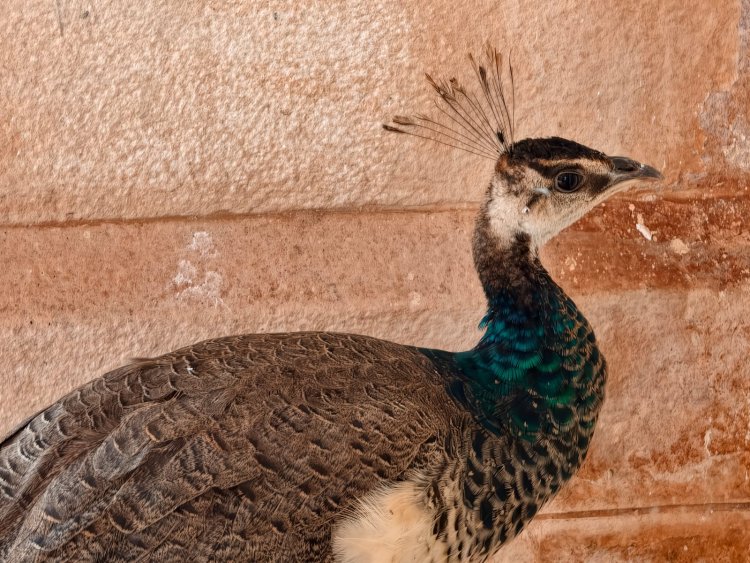
It was a perfect trip, full of discoveries of Sandur near Hampi, complemented by a relaxed stay at Shiva Vilas Palace. Do check out their website for more details.
Sandur, despite its natural and man-made marvels, is often overshadowed by the UNESCO World Heritage Site, Hampi, which is just 40 km away. However, if Hampi is what attracts you to that part of Karnataka, do spare a day for Sandur and it will be worth your time.
Though Bellary is hot. Sandur boasts of salubrious weather throughout the year due to proximity to hills and water bodies. Post Monsoon, winter till summer is the best time to visit.
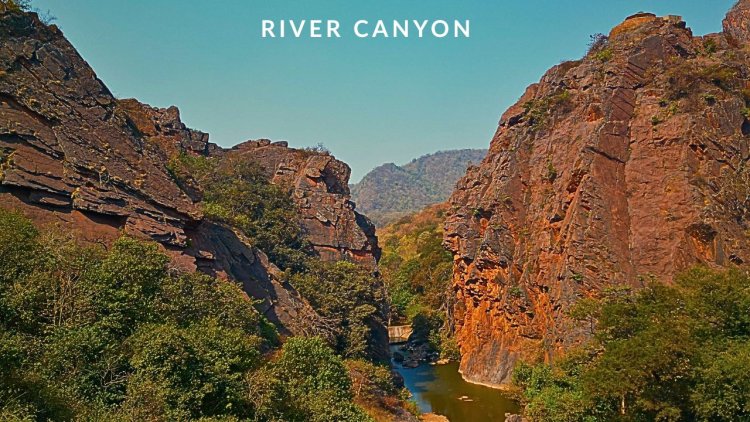
Sandur and surrounding have immense opportunities for Birding, Wildilfe and for hiking.
I did a confirmed booking othrough www.homestayskarnataka.com
An Avid nature enthusiast, Certified Mountaineer from Nehru institute of mountaineering and trained Wilderness First Responder from NOLS, USA. A Associate Member of Indian Mountaineering Foundation (the governing body of mountaineering in India). He conducts wilderness camps in the Western Ghats and the Himalayas. He has custom designed and executed various outdoor based learning for schools and corporates He conducts wilderness camps in the Western Ghats and the Himalayas.
In addition , he is a PADI Certified Advance Scuba diver, a freelance writer and photographer. He contributes his adventure stories to leading national and international publications